
Extend lifecycle and restore
high value components

Component repair is a strategic imperative to extend service life and lower operational expenses. Conventional repair methods often rely on manual, inconsistent processes.

Additive manufacturing offers a precise, localized approach by depositing material strictly where required. It enables highly controlled, repeatable workflows that shift maintenance from reactive interventions to predictive asset management.

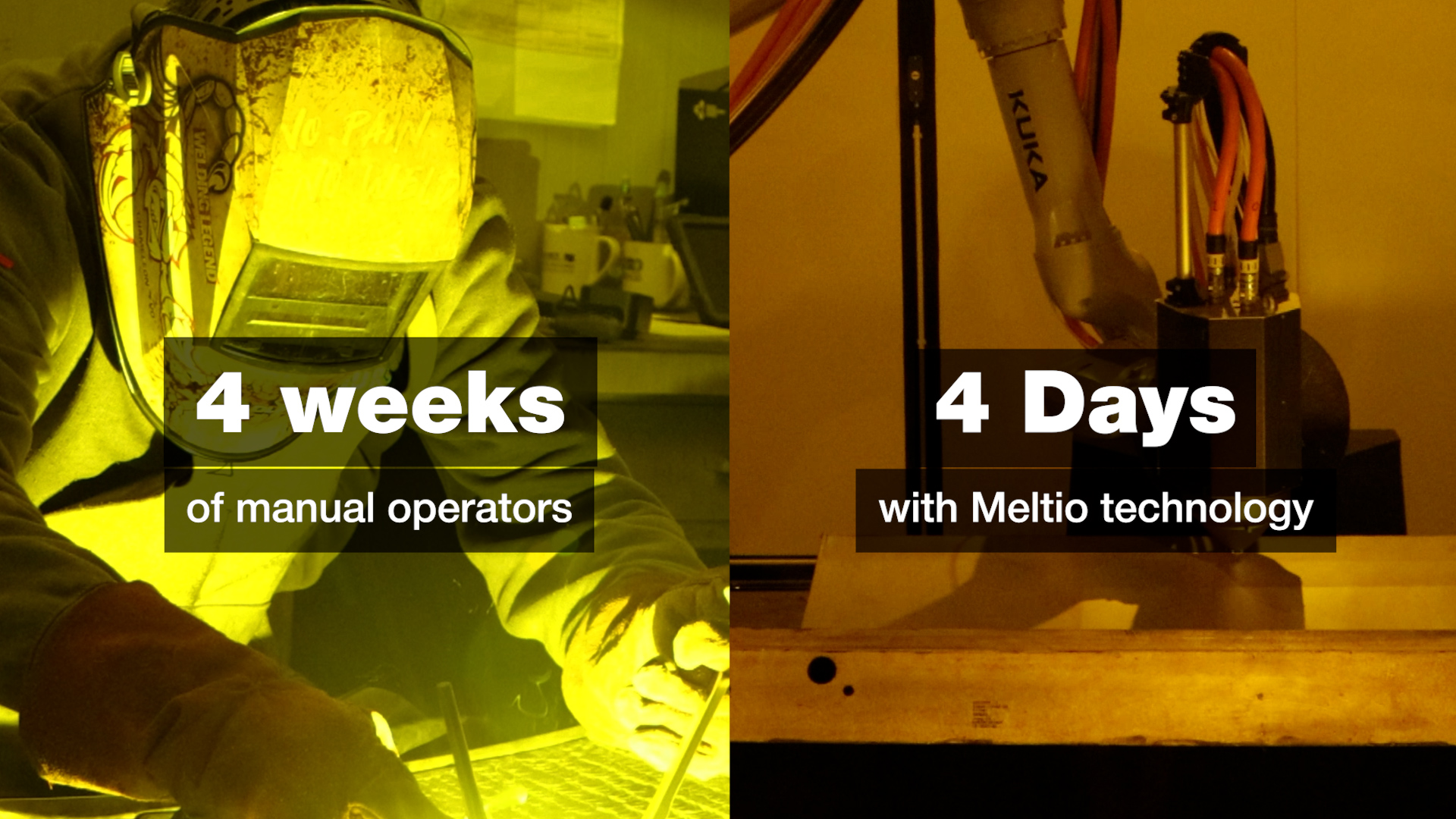
From manual welding to automated additive repair

Stop discarding partially worn parts. Implement a highly controlled wire laser process to rebuild critical industrial equipment.

Extended component life

Rebuild worn geometries to restore full functionality instead of discarding high value parts.

Cost and material reduction

Deposit metal exclusively on damaged areas to lower raw material use and minimize spare part inventory.

Process automation

Translate specialized welding expertise into repeatable machine parameters to overcome skilled labor shortages.

Reduced downtime

Achieve faster turnaround times compared to ordering replacement parts from global supply chains.

Customer validation & Success stories

Repair process with Meltio

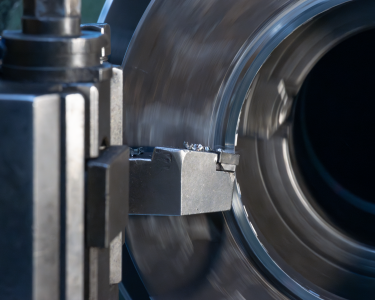
Machining

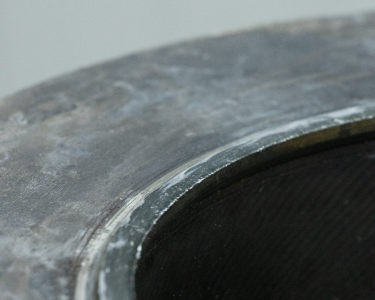
The damaged part for the printing process
Place the part on the robot

Fixing the part on the positioner

Additive Manufacturing process

Using Meltio technology

Machining

To get the final part

Production line

The part is ready to be used on the production line
Download Meltio’s Brochure for Mining, Oil & Gas

A custom solution for your manufacturing needs

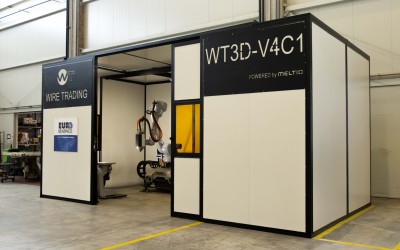
The Meltio Robot Cell is adaptable to your operation needs and facility constraints, making it a totally customizable solution. Mobile gantries or open roofs are some of the custom features already deployed in end-users.

Tailored to your production needs

Turn-key solution

Precise part repair

Large-scale capabilities

Multi material capabilities for Repair

Meltio systems allow engineers to apply specific alloys based on the exact functional requirements of the damaged zone. The low dilution process preserves the metallurgical quality of both the deposited layer and the underlying component.

Hardfacing materials

Tool steel H11, Stellite 6, and NiCarbW for severe abrasion and impact resistance

Thermal and corrosion resistance

Inconel 625 and 718 for high-temperature and aggressive chemical environments

White metals

Babbitt alloys for low-friction bearing surfaces

Ready to optimize your repair operations?

Reach out! We’d love to hear about your project.