IALC_PEDROLO-02

IALC, operating alongside their partners from Steeltech, recognized a strategic opportunity to elevate their architectural manufacturing capabilities. By transitioning away from outsourced metal components and bringing Meltio technology in-house, the company established a distinct competitive advantage. This internalization strategy was driven by a clear understanding that advanced additive manufacturing could make their product offerings entirely unique compared to standard market availability. By owning the process, they can now guarantee a highly specialized service directly to their clients.

Historically, manufacturing these parts required casting or machining from solid metal blocks. This subtractive approach generated immense material waste, sometimes reaching up to 80 percent of the initial raw material. Furthermore, these traditional methods imposed severe limits on delivery times and material efficiency for heavy duty parts.

“It’s a technology that allows for the creation of unique parts where it would be impossible to achieve them otherwise, except with very expensive milling from a solid piece.”

IALC_Totem_4

1. Limitations of traditional fabrication in architectural enclosures

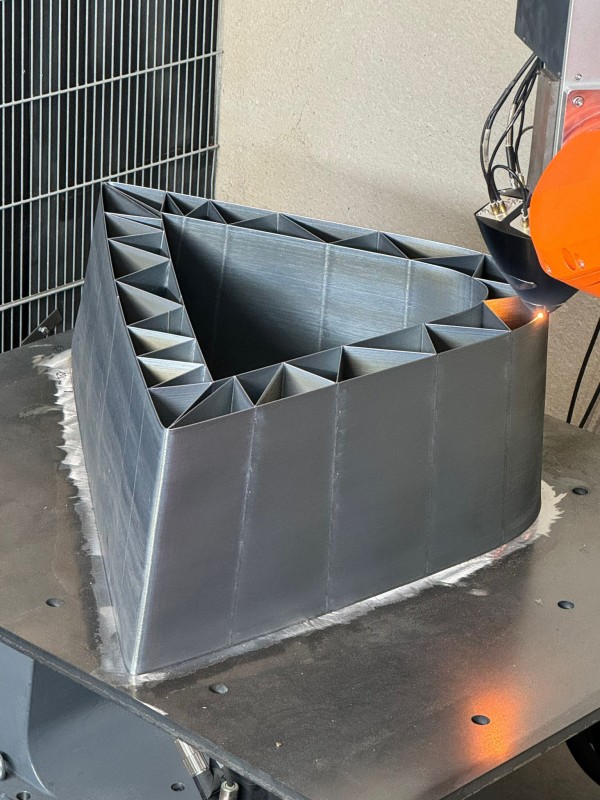
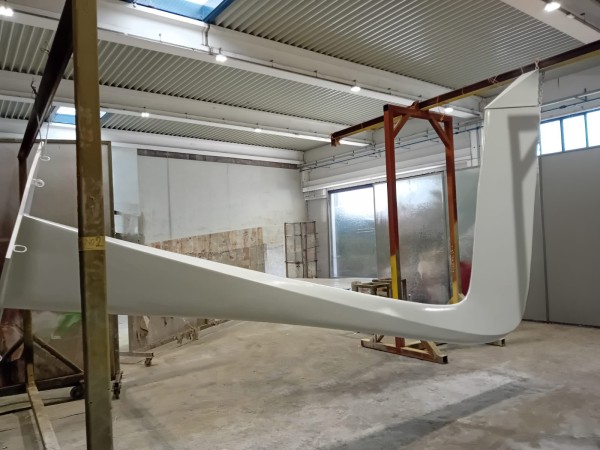
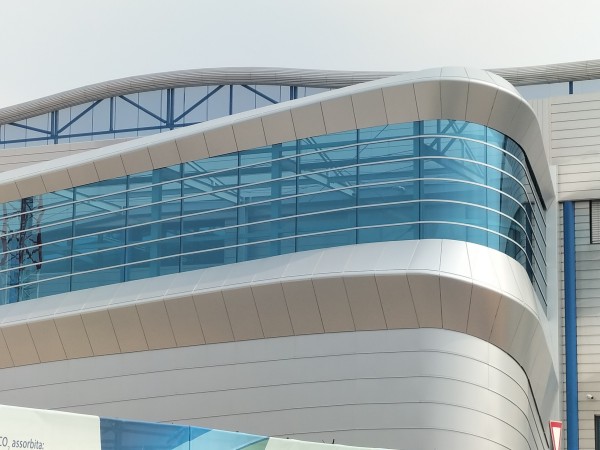
The engineering team faced a significant manufacturing bottleneck when tasked with creating a specialized architectural cladding featuring complex bent and rotated geometries. Standard fabrication technologies, specifically normal bending, laser cutting, and stamping, proved entirely inadequate for these specific structural requirements.

At the time, the only viable conventional method was to machine the piece from a solid block of metal, which is a highly expensive milling process. Due to these strict cost constraints, the team began researching 3D plastic printing as a substitute, completely unaware that high-fidelity metal 3D printing was an accessible industrial solution.

2. Transitioning from sheet metal fabrication to metal additive manufacturing

Implementing a completely new manufacturing paradigm presented a steep technical learning curve for the production team. Historically, Steeltech specialized strictly in traditional laser cutting, bending, and welding operations.

The primary difficulty involved mastering the complex variables of wire laser metal deposition, including machine parameters, material behavior, and precise melting dynamics. Furthermore, because the technology is additive and requires depositing physical metal, operating speeds and part thickness must adhere strictly to established parameters to ensure the final component remains fully compliant.

“We’ve always done laser cutting, bending, and welding, and this thing it brings everything together, so it’s all the result of three things combined.”

IALC_totem_finished

3. Adopting Wire Laser Metal Deposition for scalable architectural fabrication

The turning point occurred when the team encountered Meltio technology, which immediately captured their interest. They quickly integrated the system to fabricate complex structures in metal that other manufacturers typically produce in standard 3D printed plastic.

The technology proved to be a factor to carefully consider rather than a limitation, as the machine operation becomes almost automatic once the initial project study and parameter setup are finalized. To maximize return on investment, IALC also placed this capability within a subsidiary to make it accessible to external companies for dedicated product studies and projects.

4. Achieving design freedom in large-scale volumetric applications

Validated structural performance

The deposited metal parts performed exactly as expected from the initial design phase during practical operation.

Proven environmental durability

Components demonstrated typical metal strength and successfully passed rigorous physical tests for wind resistance and dynamic loads.

Unprecedented design freedom

The technology facilitates the creation of beautiful and unique enclosures, moving beyond standard serial production to align perfectly with architectural creativity.

New market expansion

IALC is actively expanding into the interior design sector, collaborating with architects to develop special customized objects for retail chains and distinct client projects.

5. Future outlook for architectural Metal 3D Printing

Integrating Meltio technology into their industrial workflow provided IALC with the exact technical capabilities needed to overcome strict fabrication limits. The core added value of this investment lies in absolute customization, allowing the fabrication of geometries that simply cannot be realized through traditional sheet metal working.

As their architectural partners continue to design new custom objects, IALC plans to sustain their investment and further develop this innovative production line.

oplus_2

“If we want to be different, if we want to also bring well-being, if we want to bring beauty, we must do something unique that is in line with the architect’s creativity and the client’s desires.”

FAQs

Did the delivery time decrease after adopting Meltio?

Delivery time did not decrease but remained aligned with the company's anticipated projections. Building large volumetric parts additively requires necessary machine time, but the operational process is highly automated once the initial engineering study, budgeting, and parameter planning are complete.

 
What applications are planned for the next 24 months?

The production strategy involves two main areas of development. First, the company will continue fabricating complex bent and rotated claddings. Second, they are entering a completely new area related to interior design to produce special customized objects currently under study by their architectural partners.

 
Is the manufacturing service available to third parties?

Yes, IALC has decided to open up this technology to the broader market. The equipment is housed within a subsidiary, and the engineering team is available to assist other companies with comprehensive product studies and customized manufacturing projects.