

| Additive Repair | The simple concept of using the Meltio system to add new, functional metal material onto worn or broken industrial components to restore them to service. |
| Affordable Metal AM | A key value proposition emphasizing that Meltio’s use of wire feedstock and flexible integration makes the adoption of metal 3D printing more cost-effective than traditional methods. |
| All-in-One Solution | A marketing term for the Meltio M600, which includes the deposition head, motion control, and safety enclosure in a single package. |
| Alloys | A metal created by combining two or more metallic elements to enhance properties like strength, corrosion resistance, or hardness (e.g., Bronze, Stainless Steel, Inconel). Meltio can process a wide range of standard welding wire alloys. |
| Applications | The specific use cases or industry problems (e.g., spare parts repair, rapid tooling, high-volume production) that Meltio technology is designed to solve for a customer. |
| Asset Utilization | A key metric measuring how effectively a Meltio system is being used, calculated as the ratio of actual operating time to the maximum available operating time. Crucial for ROI analysis. |
| Blue Laser Technology (450 nm) | Meltio’s advanced laser system (often 450 nm wavelength) that offers significantly higher energy absorption on reflective materials like copper and aluminum compared to traditional IR lasers, enhancing deposition rates and overall efficiency. |
| Build Plate/Substrate | The base surface onto which the initial layer of the 3D-printed metal part is deposited. |
| Build Volume | The maximum size (height, width, and depth) of the physical part that can be manufactured within a given machine or robot work envelope. |
| Built-in 3 Stage Filter | An integrated air filtration system (often with HEPA or carbon stages) designed to capture and manage any fumes or particulate generated during the deposition process, enhancing operator safety and environmental compliance. |
| Buy-to-Fly Ratio | A metric (often used in aerospace) that compares the weight of the initial raw material purchased to the weight of the final finished part. AM/Meltio aims to lower this ratio dramatically compared to subtractive manufacturing. |
| CAD (Computer-Aided Design) | Software used by engineers to create, modify, analyze, or optimize a two-dimensional or three-dimensional digital model of a part. The starting point for any AM job. |
| Calibration | The precise procedure of adjusting the robot’s or CNC’s positioning accuracy to ensure that the deposited material aligns perfectly with the designed tool path and the substrate. |
| CAM (Computer-Aided Manufacturing) | Software that translates the final CAD model into the specific machine instructions (G-code) required to manufacture the part using a CNC machine or robot. |
| Carbon Steels (Mild Steel) | Common, cost-effective, and highly versatile iron-carbon alloys used extensively in general fabrication and heavy industry. They are a primary material for Meltio repair and high-volume applications. |
| Clamping System/Fixture | The mechanism used to securely hold the substrate or build plate during the deposition process, especially important when a robot is moving the deposition head in multi-axis paths. |
| Class 1 Laser Safety Certified | The highest safety rating for laser products, meaning the system is designed to be safe for operation in an open industrial environment (without requiring a full protective enclosure), simplifying facility integration and training for machine shop workers. |
| CNC (Computer Numerical Control) | A foundational automation system using pre-programmed software (G-code) to control machine tools. Meltio’s Engine integrates with standard CNC systems for its motion control. |
| Coaxial Wire Feed | A unique feature of the Meltio deposition head where the metal wire is fed through the center of the molten pool, and lasers are symmetrically aligned around it. This geometry ensures high process stability and homogeneous material deposition. |
| Commodity Welding Wire | Refers to the use of standard, commercially available metal welding wire as the feedstock material, which is significantly lower cost and easier to handle than metal powder, contributing to a lower operational expense. |
| Component Repair & Hardfacing | A key application for Meltio technology where material is added back onto worn, damaged, or expensive metal parts (e.g., turbine blades, molds, shafts) to extend their service life, resulting in significant cost reduction compared to full replacement. |
| Conformal Cooling | A design technique where cooling channels closely follow the contoured shape of a mold or tool surface. This advanced design ensures highly uniform cooling and is exclusively enabled by AM/3D printing. |
| Cooling Channels | Voids or passages designed within a component (e.g., a mold or heat exchanger) to allow coolant fluid to flow, often complexly shaped and only possible to manufacture using AM. |
| Copper Alloys | Metal alloys known for their excellent thermal and electrical conductivity. Meltio’s Blue Laser is uniquely suited to process highly reflective materials like pure copper. |
| Corrosion Resistance | The material’s ability to withstand degradation caused by environmental exposure (e.g., moisture, chemicals). Testing this is vital for parts used in marine, oil & gas, or chemical industries. |
| Cost Modeling | Advanced spreadsheet or software tools used to forecast the profitability of adopting the Meltio system by breaking down all material, time, and operational costs per part volume. |
| Cost Per Part | A crucial metric for evaluating the viability of AM, calculated by considering material consumption, machine time, labor, electricity, and post-processing costs. Meltio aims to keep this competitive. |
| Custom Alloy Development | The process of creating and validating entirely new metal compositions specifically for the Meltio process, leveraging the system’s ability to blend materials via dual/quad-wire feed. |
| Customer Support Network | Assurance that the company has global or regional partners and services available for installation, training, and troubleshooting of the equipment. |
| Decentralized Manufacturing | The strategic shift of manufacturing operations from large, centralized factories to smaller, regional, or point-of-need facilities, often enabled by flexible technologies like Meltio’s. |
| Defect Detection/Analysis | The use of in-situ or ex-situ NDT methods to identify and characterize flaws (e.g., lack of fusion, cracks, excessive porosity) in a printed part. |
| Deposition Efficiency | A measure of the mass of material successfully deposited onto the part versus the mass of material fed into the system. Meltio’s use of wire yields near 100% efficiency. |
| Deposition Path Planning | The software-driven optimization of the robot’s or CNC’s movement sequence to minimize non-depositing travel time, manage heat buildup, and ensure a smooth, defect-free build surface. |
| Deposition Process | The general term for the additive manufacturing procedure where metal material is precisely melted and layered to create the final part geometry. |
| Deposition Speed/Rate | The key throughput metric in DED, measuring the volume or mass of material that the system can deposit per unit of time (e.g., cm³/hr or kg/hr). Directly impacts production time and cost. |
| Design for Additive Manufacturing (DfAM) | A methodology involving the creative and technical design of parts specifically to leverage the geometric freedoms and process capabilities of the Meltio system (e.g., maximizing multi-axis deposition). |
| Design Guidelines | A set of rules and best practices used by engineers when designing a part, specifically detailing minimum feature size, maximum overhang angle, and support structure requirements for the Meltio process. |
| Desktop Metal | A general term for metal AM systems that fit into smaller office or lab spaces. Meltio M600 is positioned as a factory-level solution, a contrast that is often useful. |
| Digital File to Part | A simplified description of the workflow: a design file (CAD) is directly translated into a physical metal component. |
| Digital Manufacturing | The integration of information technology with manufacturing operations to create a seamless flow of data across the entire product lifecycle, from design to production and service. |
| Digital Spare Parts Inventory | The strategic shift to replace large, expensive physical warehouses of spare parts with digital CAD files. Parts can be 3D-printed on demand using Meltio systems, drastically cutting inventory costs and lead times. |
| Digital Workflow | The complete end-to-end process—from CAD design and tool path generation to printing, post-processing, and quality control—that is all managed through digital data and software systems. |
| Dilution | In a repair or cladding application, this is the degree to which the deposited material (wire) mixes with the substrate (base metal). Controlled dilution is critical for optimal bonding and material integrity. |
| Directed Energy Deposition (DED) | An additive manufacturing category where material is melted as it is deposited simultaneously by a focused energy source (like a laser) to build a part. Meltio is a specific implementation of this process. |
| Dual Manufacturing | A simple term for the core capability of Meltio’s technology: the ability to manufacture new parts and repair existing ones using the same machine. |
| Dual/Quad Wire Capability | The system’s ability to automatically and sequentially feed two or up to four different material wires into the melt pool. This is used for multi-material printing (combining two metals) or for creating a hard-facing or anti-corrosion cladding layer. |
| Factory Floor Ready | A phrase indicating that the Meltio system is designed to operate reliably, safely, and predictably in a standard manufacturing environment. |
| Fatigue Life | The number of stress cycles a part can withstand before failure. A critical metric for dynamic, load-bearing parts, where Meltio’s forging-level density offers a competitive edge. |
| Feasibility | The practical assessment of whether a specific part or application can be successfully and economically manufactured using the Meltio system, considering material, cost, and quality requirements. |
| Finite Element Analysis (FEA) | A computer-based simulation technique used during the design phase to predict how a Meltio-printed part will react to physical forces, heat, fluid flow, and other real-world effects. |
| Forging-Level Part Density | The capability of the Meltio process to produce parts with extremely high relative density (e.g., 99.9%+) and superior mechanical properties (high strength, low porosity), often matching or exceeding the quality of parts created by traditional forging or casting methods. |
| Fracture Toughness | The material’s ability to resist the propagation of a crack. This is a critical metric for safety-critical parts, and its value is tested and qualified in R&D. |
| Fully Dense | A part that has virtually no internal porosity or voids, achieving a relative density of 99.9% or higher. This is a critical quality metric that Meltio’s process is designed to achieve consistently. |
| G-Code | The standard programming language used to control automated machine tools like CNC machines and industrial robots, defining where the tool moves and what it does. |
| Gantry System | A large, fixed-frame structure used in place of an articulated robot arm, often providing increased precision and a much larger working envelope for very large parts. |
| Gas (Inert Gas) | Refers to the protective gas (typically Argon) used to shield the molten metal from the atmosphere during deposition, preventing oxidation and defects, which is a major operational component of DED. |
| Gas Atomization | The traditional process of turning bulk metal into fine powder for powder-bed AM systems. Highlighting this contrast underscores the advantage of Meltio’s wire feedstock. |
| Geometric Complexity | The degree of intricacy in a part’s shape, often including internal features, lattices, and overhangs. Additive Manufacturing excels at producing parts with high geometric complexity. |
| Geometric Dimensioning & Tolerancing (GD&T) | A system of symbols and rules used on engineering drawings to precisely define the permissible variations in the geometry of a part’s features, a final requirement for all AM-produced parts. |
| Geometry Limitations | The design restrictions or rules (e.g., minimum wall thickness, maximum overhang angle) that an engineer must adhere to when designing a part for a specific AM process. |
| Grain Structure | The microscopic arrangement of crystals in the metal, which significantly influences the mechanical properties. DED often results in a distinct, elongated grain structure compared to casting. |
| Hard Facing (Cladding) | The application of a hard, wear-resistant alloy layer to the surface of a softer or cheaper metal component to extend its service life, a primary repair strategy for Meltio. |
| Hardness Testing | A quality assurance test used to measure the resistance of the Meltio-printed metal part to permanent indentation, verifying the material’s structural integrity. |
| Heat Affected Zone (HAZ) | The area of the substrate metal immediately adjacent to the deposited weld bead, where the heat of the laser has changed the metal’s microstructure and properties. |
| Heat Treatment | The controlled process of heating and cooling metal parts (post-print) to alter their physical and mechanical properties, such as hardness, strength, and ductility, to meet final specification. |
| Hybrid Additive/Subtractive | The most precise term for combining the Meltio DED head with a CNC spindle into a single, multi-function machine tool capable of additive manufacturing followed by subtractive finishing. |
| Hybrid CNC Machine | A term for a standard subtractive CNC machine integrated with the Meltio deposition head, allowing it to perform both additive and subtractive operations within the same work envelope. |
| Hybrid Manufacturing | The capability to combine the Meltio additive process with a traditional CNC machining system in a single workflow. This allows for both the deposition of material and the precise machining of features, enabling complex geometries and enhanced surface finish. |
| In-House Manufacturing | A strategic benefit where a company brings production or repair capabilities back into their own facility, gaining control and reducing reliance on external suppliers. |
| Inconel (Nickel-Based Superalloys) | A family of high-performance materials known for their exceptional strength and corrosion resistance in high-temperature environments (e.g., turbines, exhaust systems), a common application for Meltio’s technology. |
| Inconel 3D Printer | A system capable of processing Nickel-based superalloys (like Inconel 718), which are essential for parts requiring high performance in extreme heat and corrosive environments (e.g., jet engine components). |
| Industrial 3D Printing | A broad term for 3D printing used for high-end, functional, end-use parts, tooling, and serial production, not just for prototyping. |
| Industrialization of AM | The transition of metal additive manufacturing from a rapid prototyping tool to a robust, scalable, and reliable process capable of producing high-volume, functional end-use parts for industrial applications. |
| Inert/Shielding Gas | A non-reactive gas (like Argon) used to protect the molten metal pool and the heated wire from reacting with oxygen and nitrogen in the air, preventing oxidation and ensuring high-quality, dense material. |
| Interlayer Temperature | The temperature of the previously deposited layer before the next layer is added. Controlling this is a critical process parameter to ensure proper fusion and manage heat-related defects. |
| Isotropic Mechanical Properties | Refers to the part’s material properties (such as strength and stiffness) being nearly uniform in all three spatial directions (X, Y, and Z). This is a hallmark of high-quality DED and essential for functional, load-bearing parts. |
| Large Part Capability | The ability to print larger components, typically achieved when the Meltio Engine is integrated into a spacious industrial robot or gantry system. |
| Large-Format 3D Printing | The capability of the Meltio Engine and Robot/Gantry systems to produce parts that exceed the build volume limitations of smaller, box-style powder-bed printers, enabling the creation of industrial-sized components. |
| Laser Alignment System | An internal mechanism used to ensure the multiple laser beams are precisely focused and centered on the wire-feed path. Critical for maintaining the coaxial integrity and stability of the Meltio process. |
| Laser Metal Deposition (LMD) | The broader category of Directed Energy Deposition (DED) where a high-power laser is used as the heat source. Meltio’s process (LMD-W) is a specific, wire-fed application of this technology. |
| Laser Power Efficiency | A measure of how effectively the input electrical energy of the laser is converted into thermal energy at the melt pool, a factor significantly improved by Meltio’s use of multi-laser and Blue Laser technology. |
| Laser Safety Compliance | Assurance that the equipment meets necessary industrial safety standards, allowing for safer integration into the production environment. |
| Laser Welding | A high-precision joining process that uses a focused laser beam to fuse metal components together. While related, it differs from LMD-W, which is a deposition process used for building volume rather than just joining. |
| Laser Wire (L-W) | A concise synonym for Wire-Laser Metal Deposition, emphasizing the two core components of the Meltio process: the laser energy source and the metal wire feedstock. |
| Layer Thickness/Resolution | The thickness of the deposited material (bead height) for each pass. This parameter dictates the surface roughness and the overall build time of the part. |
| Lead Time | The time interval between the initiation of an order for a part or service and the actual delivery. AM is often used to significantly shorten lead times for production and spare parts. |
| Lifecycle Costing | A comprehensive financial analysis that considers all costs associated with a part from its initial design and manufacturing (CAPEX/OPEX) through to maintenance, repair, and eventual disposal. |
| Low Operational Cost | A key selling point derived from the combination of using low-cost commodity wire instead of expensive metal powders, achieving 100% material efficiency, and reducing post-processing steps due to near-net shape results. |
| Machine Shop | A facility or dedicated area where parts are fabricated, machined, or assembled. Meltio systems are designed to integrate directly into an existing machine shop environment. |
| Material Deposition Rate | A metric that measures the efficiency of the printing process, typically in grams per minute or cubic centimeters per hour, defining the speed at which the part can be built. |
| Material Flexibility | The system’s capacity to process a wide range of different metal alloys (steels, titanium, nickel, copper, etc.) without major hardware changes, providing a high degree of application versatility. |
| Material Profile | A pre-validated set of process parameters (laser power, feed rate, etc.) developed by Meltio for a specific metal alloy, providing a reliable starting point for users to achieve qualified part properties. |
| Material Qualification | The rigorous process of testing and documenting a specific metal wire material and its resulting part properties within the Meltio process to ensure it meets required industry standards for end-use. |
| Material Recycling/Reclamation | The process of reusing metal material (often powder or, in some systems, wire remnants) to minimize waste. Meltio’s low-waste wire process makes this less of a concern than in powder-bed systems. |
| Material Science | The fundamental field of study focused on the properties of matter and how they relate to the part’s performance. It is the basis for all Meltio R&D efforts. |
| Melt Pool | The small, localized volume of molten metal created by the laser energy during the deposition process. The stability and consistency of the melt pool are critical for part quality. |
| Melt Pool Dynamics | The study of the fluid flow, heat transfer, and solidification behavior within the molten metal pool created by the laser. Process monitoring and R&D focus heavily on stabilizing these dynamics. |
| Meltio Engine | The core industrial component (the deposition head) that integrates with any third-party industrial robot or CNC machine to turn it into a metal 3D printer. |
| Metal 3D Printer | A machine or system that builds three-dimensional parts using metal materials, typically fusing them layer by layer based on a digital file (CAD). The Meltio M600 is an example of a compact, factory-ready metal 3D printer. |
| Metal Additive Manufacturing | The broad category of industrial 3D printing technologies that specifically create parts using metal materials, including powder-bed fusion and DED processes like Meltio’s. |
| Metal Deposition | The most basic term for the process of using the laser and wire to create a layer of new metal onto a build plate or existing part. |
| Metal Powder Free | A key competitive differentiator emphasizing the use of solid wire instead of metal powder, eliminating associated hazards, vacuum requirements, and high material costs. |
| Metal Wire Feedstock | The material source for the printing process (standard, low-cost welding wire). This is contrasted with expensive, hazardous metal powders. |
| Microstructure | The detailed structure of the metal material as observed at a high magnification (microscope). This structure determines the final mechanical properties and is heavily influenced by the Meltio process parameters. |
| MIG (Metal Inert Gas) | A conventional welding process that uses an electric arc and a continuously fed wire electrode. It serves as a benchmark or comparison point to highlight the superior resolution and quality of the Meltio laser-based process. |
| Mold Making | The process of creating molds and tooling (e.g., for injection molding or casting). Meltio enables rapid, in-house, and customized creation or repair of these tools. |
| MRO (Maintenance, Repair, and Overhaul) | The common industrial business function where Meltio technology provides significant cost savings by enabling in-house repair of critical, high-value components. |
| Multi Material System | A system, like Meltio’s Dual/Quad Wire setup, that can process two or more different metal alloys in the same build, enabling functions like creating a single component with multiple material zones. |
| Multi-Axis Deposition | The capability of using 4 or 5 axes of motion (via robot arm or CNC) to deposit material along contoured surfaces, enabling repair or features on non-flat surfaces. |
| Multi-Laser Head | The core hardware component that uses multiple symmetrically aligned lasers (Blue or IR wavelength) to create the melt pool, offering better control, higher absorption efficiency, and scalability of the deposition rate. |
| Near-Net Shape | A manufacturing term indicating that the 3D-printed part is fabricated very close to its final required dimensions, minimizing the need for subsequent subtractive machining or post-processing , which saves time and cost. |
| Nickel Alloys (e.g., Inconel) | A class of high-performance materials (often called superalloys) that are highly valued for their strength and corrosion resistance at extreme temperatures, making them essential for aerospace and energy industries. |
| Non-Proprietary Materials | A commercial benefit emphasizing the system’s ability to use widely available, standard, and non-vendor-locked metal wire, reducing supply chain risk and cost. |
| Nondestructive Testing (NDT) | Inspection techniques (e.g., X-ray, Ultrasound, Eddy Current) used to evaluate the integrity and quality of a printed part without causing damage, used for quality assurance. |
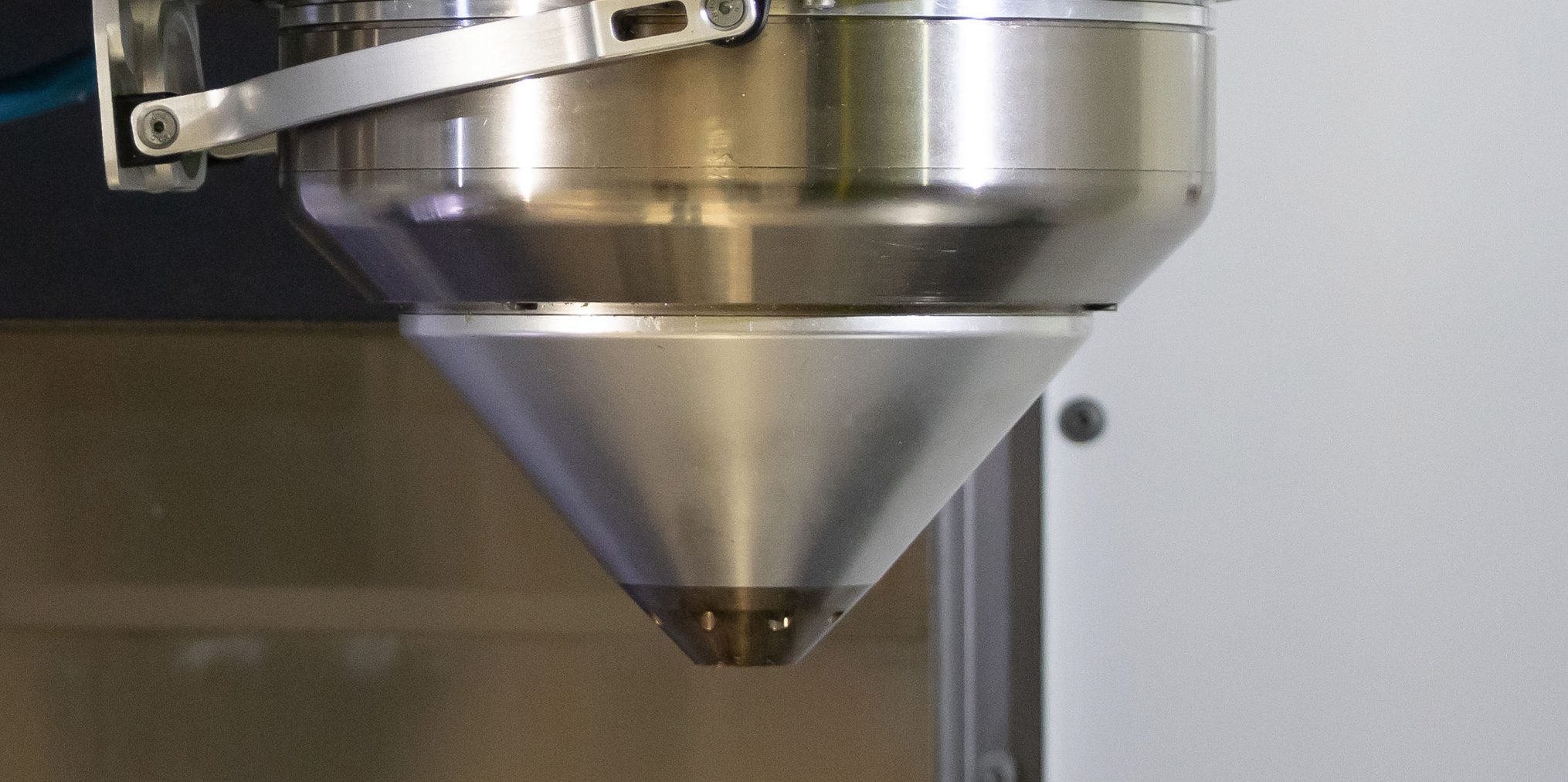
| Nozzle | The part of the Meltio deposition head through which the metal wire and shield gas are fed. Its maintenance is critical for process stability. |
| Obsolescence Management | A strategy focused on minimizing the impact of old, outdated, or discontinued spare parts by utilizing Meltio to print replacements on-demand, extending the life of legacy equipment. |
| On-Demand Production | The ability to print a part only when it is needed, eliminating the cost and space requirements of warehousing a large physical inventory. |
| Open Architecture | A system design that allows users high levels of access and control over programming parameters, material selection, and system integration, crucial for advanced R&D and specialized production environments. |
| Open Material Ecosystem/Platform | The policy of not locking customers into proprietary materials. Meltio systems are designed to operate with a wide range of standard, low-cost commodity welding wires, allowing customers to validate and optimize new materials for a competitive advantage. |
| Over Thickness | The extra material built onto a near-net shape part to allow for a final, precise subtractive machining (CNC) step, ensuring the final part meets tight dimensional tolerances. |
| Overhang | A feature of a part that is partially unsupported by the material directly beneath it. DED can manage some overhangs, but steep angles may require a supporting structure or multi-axis printing. |
| Parameter Development | The iterative process of testing and optimizing laser power, travel speed, wire feed rate, and other variables to define the optimal “recipe” for reliably printing a specific metal alloy. |
| Parameterization | The act of defining and documenting the specific, repeatable values (parameters) for laser power, wire feed rate, and travel speed that are proven to reliably produce a part from a specific alloy. |
| Part Consolidation | A design strategy in which multiple components of an assembly are redesigned as a single, complex 3D-printed part, reducing assembly time, complexity, and failure points. |
| Part Customization | The ability of the technology to produce parts that are highly unique or custom-designed for a specific application without the cost penalty of traditional manufacturing. |
| Part Properties | The final characteristics of the manufactured component, including mechanical (strength, hardness, fatigue life), thermal, and chemical attributes. Meltio focuses on achieving “forging-level” properties. |
| Plug and Play | A marketing term suggesting that the Meltio Engine can be integrated with a compatible robot or CNC platform with minimal setup, making it easy to adopt and operate. |
| Porosity | The measure of small voids or holes within the metal material. Meltio’s process is designed to achieve near-zero porosity (high density) to ensure forging-level performance. |
| Post-Machining Allowance | The extra material thickness added to a near-net shape part during the design phase, specifically to be removed by a final CNC subtractive pass to achieve precise tolerances and surface finish. |
| Post-Processing (Metal AM) | Any process applied to a 3D-printed part after deposition, such as stress relief heat treatment, hot isostatic pressing (HIP), or final subtractive machining, to achieve final part requirements. |
| Post-Weld Heat Treatment (PWHT) | A specific type of heat treatment applied after the deposition process to relieve residual stresses induced by the rapid heating and cooling cycles of the laser. |
| Powder | Fine-grained metal particles used as feedstock in many competing AM processes (like Powder Bed Fusion). Meltio systems eliminate the need for powder, removing associated cost and safety concerns. |
| Powder Containment | A critical safety and environmental challenge for powder-based AM, which Meltio completely eliminates by using solid wire feedstock, simplifying shop floor operations. |
| Powder Hazard Elimination | A major benefit of using wire, which removes the need for special safety protocols, protective chambers, and the risk of explosion associated with fine metal powders. |
| Pre-Heating/Post-Cooling | Controlled temperature management steps used during the DED process to manage internal stresses and prevent cracking or warping in printed metal parts, ensuring final part integrity. |
| Precious Metals | Gold, silver, platinum, and related metals. Meltio technology’s precision and material efficiency offer unique potential for high-value applications requiring these metals. |
| Process Control Feedback Loop | The system (often AI-driven) where real-time sensor data from the melt pool is fed back to the laser and wire feed systems to automatically adjust parameters and maintain stability during the build. |
| Process Monitoring | The real-time collection and analysis of data (e.g., laser power, melt pool temperature, wire feed rate) during the print process to ensure quality control and process stability. |
| Process Scalability | The ease with which a single Meltio unit can be replicated or used to produce parts of varying sizes, often by moving it between different robot/CNC systems. |
| Process Window | The range of stable operating parameters (e.g., laser power, travel speed, wire feed rate) within which the Meltio system consistently produces high-quality, defect-free metal parts. |
| Proprietary Slicer | The specialized, internally developed software used to convert a CAD file into G-code for a specific Meltio machine, which is optimized to control the unique wire-laser process parameters for guaranteed quality. |
| Quality Control (QC) | The systematic process of ensuring that a manufactured part meets a defined set of quality criteria, often involving non-destructive testing, dimensional checks, and material analysis. |
| Rapid Tooling | The use of the Meltio system to quickly produce or repair essential manufacturing tools, molds, jigs, and fixtures, speeding up production. |
| Reliability | The ability of the Meltio system to perform its required functions consistently under stated conditions for a specified period, a key metric for industrial use and ROI justification. |
| Repair Strategies | The documented methodology for using the Meltio system to restore a damaged component, including steps for surface preparation, scanning, material deposition, and final machining. |
| Residual Stress | Internal stresses locked within a 3D-printed part due to the rapid heating and cooling cycles of the deposition process. Managing these stresses through PWHT is crucial for structural integrity. |
| Return on Investment (ROI) | A key financial metric that measures the benefit an investor receives in relation to the cost of an investment (e.g., purchasing a Meltio system). |
| Risk Mitigation | The use of Meltio’s technology to reduce business risks, such as long-lead-time supply chain reliance for spare parts or production bottlenecks, by enabling in-house production. |
| Robot Integration | The process of connecting the Meltio deposition head to an existing or new industrial robot arm, often requiring software interface (like Meltio’s Engine) and calibration. |
| Robotic 3D Printing | The use of an articulated industrial robot arm (such as those from Meltio’s partners) as the motion platform for the deposition head, enabling multi-axis printing and very large build volumes. |
| Robotic Kinematics | The mathematical model describing the movement of a robot arm’s joints and links. Essential for precise tool path generation and motion control in a Meltio Engine integration. |
| Scalable Deposition Rates | The process’s ability to efficiently increase the speed at which material is deposited (measured in grams or cubic centimeters per hour). This feature is essential for quickly scaling production from small prototypes to large, industrial-sized components. |
| Sealed Chamber | An enclosure around the print area that controls the internal atmosphere (e.g., purging it with inert gas). Used in the Meltio M600 to ensure an oxygen-free environment for printing reactive materials like titanium. |
| Shield Gas Ring | A specific component in the deposition head that directs the flow of inert gas (e.g., Argon) precisely over the melt pool and the deposition zone to prevent oxidation and ensure part integrity. |
| Shielding Gas Consumption | A key operational expense metric. Efficiency in the use of inert gas (like Argon) is a factor in TCO, with Meltio systems designed for optimal containment. |
| Simulated Environment Testing | Testing a part’s performance under conditions that mimic its final operating environment (e.g., high pressure, extreme temperature, specific chemical exposure) before field deployment. |
| Size Constraints | The physical maximum dimensions (e.g., length, width, height) of a part that can be manufactured, determined by the build volume of the specific Meltio machine (M600) or the work envelope of the integrated robot. |
| Stainless Steel 316L | A common, highly corrosion-resistant steel alloy that is a frequent material choice for Meltio users due to its wide use in marine, chemical, and food processing industries. |
| Stainless Steels (e.g., 316L, 308L) | A family of iron-based alloys known for their excellent corrosion resistance, often used in marine, food, and medical applications. They are common, low-cost materials processed by Meltio. |
| Standard Metal Alloys | Refers to the wide range of common industrial metals (e.g., Stainless Steel, Tool Steel, Inconel) that can be processed by the Meltio system. |
| Steel 3D Printer | A simplified, top-of-funnel term for any metal 3D printing system capable of reliably processing various grades of steel, the most common industrial metal. |
| Stress Concentration | A localized area within a part where stress is significantly higher than in the surrounding material. Often addressed through DfAM and verified through FEA. |
| Stress Corrosion Cracking (SCC) | A common failure mechanism where tensile stress and a corrosive environment simultaneously cause a metal to crack. Qualification of alloys via Meltio must account for this. |
| Subtractive Manufacturing | Traditional manufacturing methods (e.g., CNC milling, turning, drilling) where material is removed from a solid block to form the desired part geometry. Often used as a finishing step for AM parts. |
| Supply Chain Resilience | The capacity of a business to prepare for, respond to, and recover from supply chain disruptions. Meltio enables this by shifting production in-house and reducing reliance on external, global suppliers. |
| Surgical Grade Titanium | High-purity titanium alloys (e.g., Ti-6Al-4V) used in medical and aerospace applications. Meltio’s ability to process these materials opens doors to high-value markets. |
| Tension/Tensile Test | A destructive material test that measures a part’s ultimate tensile strength, yield strength, and elongation (ductility), providing fundamental mechanical property data. |
| Thermal Gradient | The difference in temperature between the molten pool and the surrounding material/substrate. Managing this gradient is key to controlling microstructure and residual stress. |
| TIG (Tungsten Inert Gas) | A high-quality, precise welding process using a non-consumable tungsten electrode and often manual wire feeding. It is used as a quality reference to position Meltio as an automated, high-densit |
| Time to Market | The duration from when a product is conceived until it is available for sale. Meltio helps reduce this by accelerating prototyping and tooling. |
| Titanium 3D Printer | A system specifically capable of processing high-value, reactive titanium alloys (e.g., Ti-6Al-4V) to create lightweight, high-strength parts for aerospace and medical applications. |
| Tool Changer Integration | The mechanism that allows a robot or CNC machine to automatically switch between the Meltio deposition head and a subtractive tool (like a milling spindle). |
| Tool Path Generation | The specialized software function that converts a 3D CAD model into the specific G-code instructions (deposition vectors, movement speed) required for the robotic or CNC system to build the part layer by layer. |
| Tool Steels (e.g., H13, P20) | High-carbon alloy steels known for their high hardness and resistance to wear, often used for cutting tools, molds, and dies. They are a common material for Meltio’s tooling applications. |
| Tooling & Fixturing | The parts, molds, or specialized components used to hold, align, and guide workpieces during machining or assembly. Meltio is often used to rapidly produce or repair these components. |
| Toolpath Strategies | The algorithm-driven decisions (made by CAM/Slicer software) regarding the sequence, direction, and speed of the laser and wire feed, optimized for part quality, thermal control, and speed. |
| Traceability | The ability to track the complete history of a part, including the specific wire batch, the machine used, and the exact process parameters recorded for every layer. Crucial for aerospace and medical compliance. |
| Turn-Key | A term for a complete, ready-to-use system (like the Meltio M600) where the provider supplies the machine, software, training, and support, allowing the customer to begin production immediately. |
| Vertical Integration | A business strategy where a company gains ownership or increased control over multiple stages of its production process (e.g., manufacturing parts in-house with Meltio instead of outsourcing). |
| Warping/Distortion | A common defect in metal manufacturing where thermal stresses cause the printed part to deform or change shape, which advanced processes like Meltio’s pre-heating and process control aim to minimize. |
| Weld Bead | The stream of molten material that is deposited on the substrate or previous layer. The consistency and geometry of this bead determine the final part quality. |
| Weld Cladding | An application where a layer of material (often corrosion or wear-resistant) is fusion-bonded to a substrate to improve its surface properties. A common use case for Meltio’s technology. |
| Weld Schedule | A set of pre-defined, qualified parameters for welding or deposition (including current, voltage, speed, and gas) that ensures a repeatable and structurally sound result. |
| Wire Arc Additive Manufacturing (WAAM) | An alternative DED process that uses an electric arc (like a welding torch) instead of a laser as the energy source to melt the wire. WAAM is typically faster but produces parts with lower resolution and a rougher surface finish than LMD-W. |
| Wire-Laser Metal Deposition (WLM-DED or LMD-W) | Meltio’s patented metal additive manufacturing process, a type of Directed Energy Deposition (DED) , that uses a focused laser to melt a continuous feed of welding wire into a melt pool to create or repair fully dense metal parts. |
| Zero Material Waste | A major cost and sustainability advantage where 100% of the wire feedstock is deposited into the final part. This contrasts with powder-based methods that often leave unused or contaminated material. |