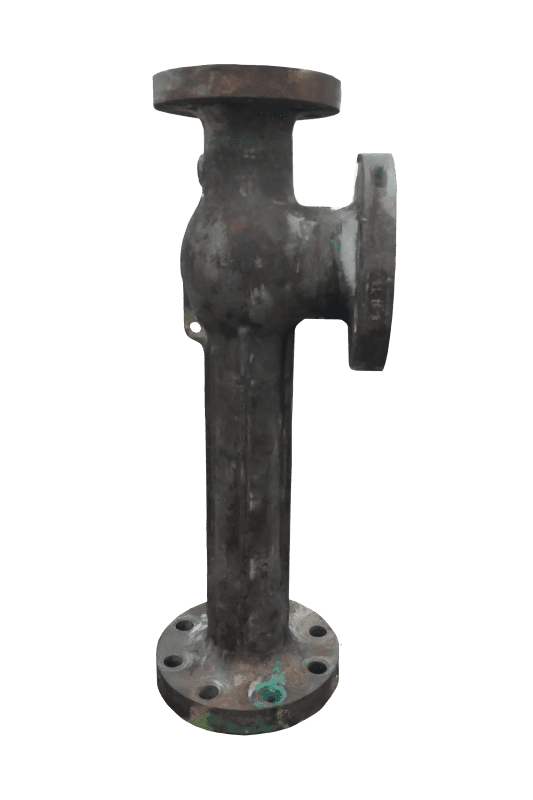
This entry continues our defense spare parts series, highlighting the redesign and additive manufacturing of an eductor — a fluid-pumping component often used in naval systems.
Eductors exploit the Venturi effect to move secondary fluids by creating low-pressure zones in high-speed primary flows. They operate without any moving parts or motors, making them simple, durable, and ideal for constrained systems.
making preventive maintenance and replacements difficult to time
involves long lead times and high costs for one-off units
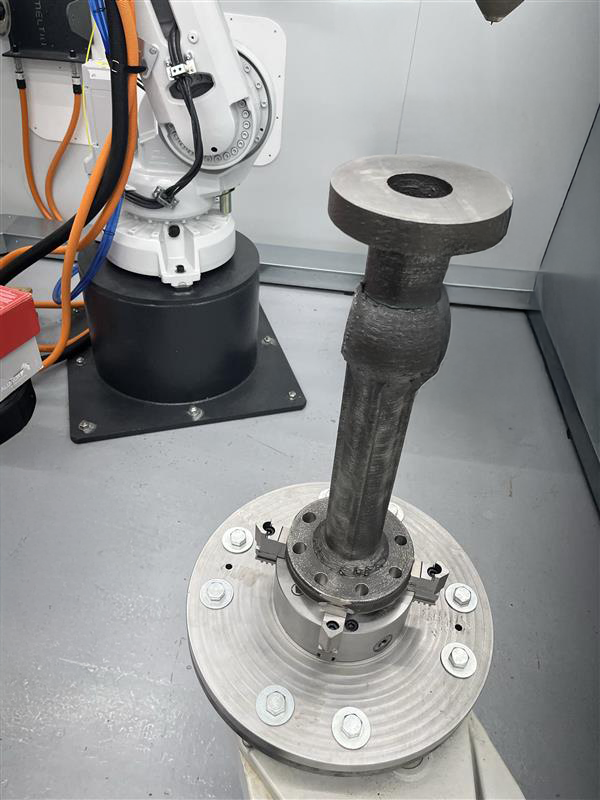
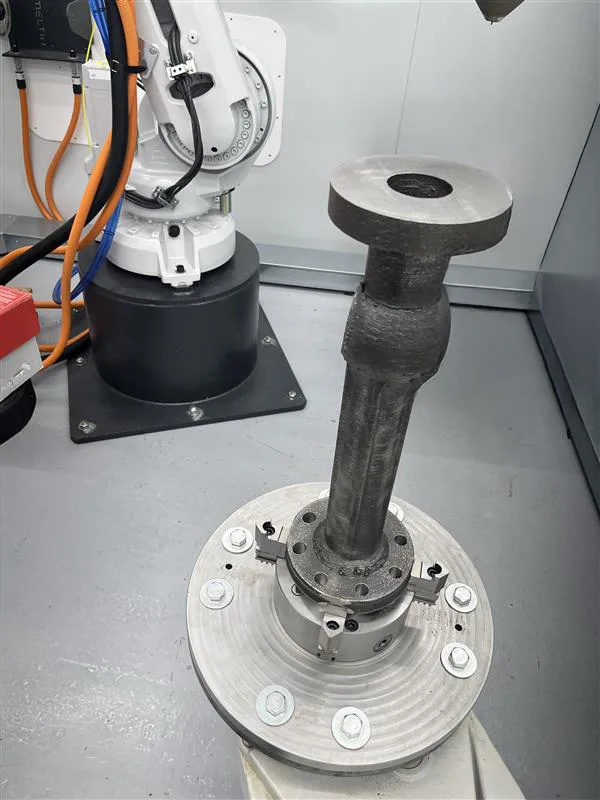
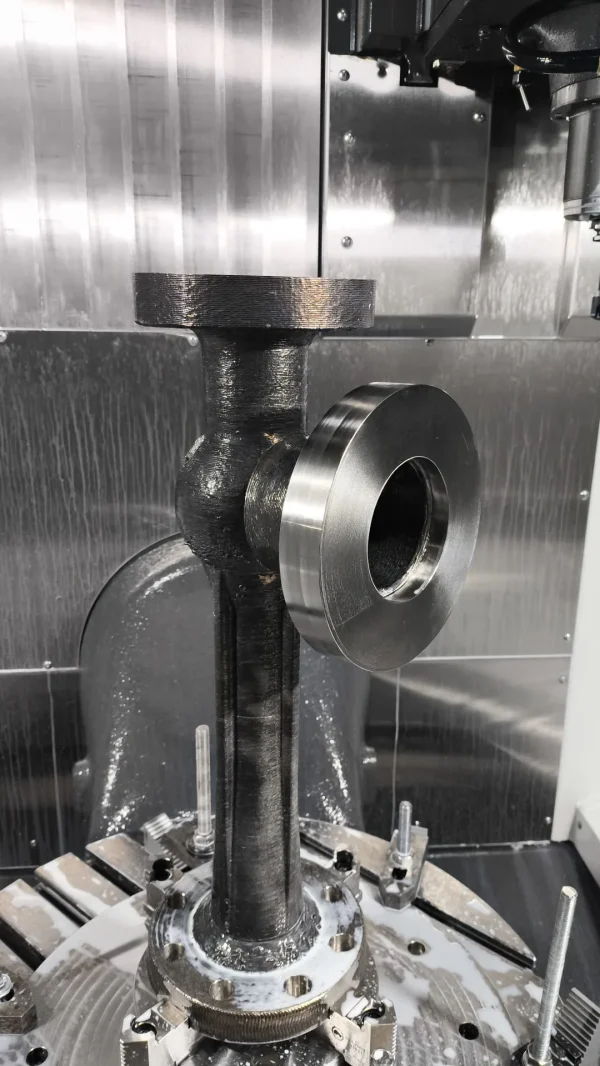
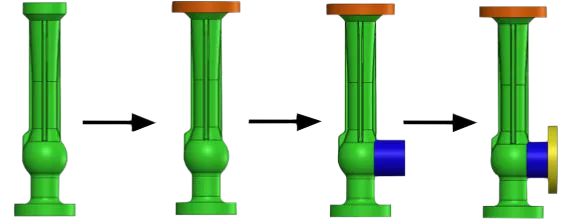
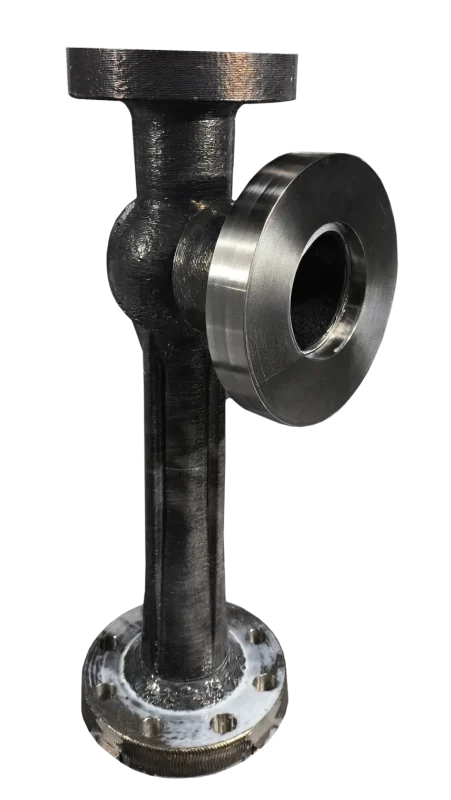
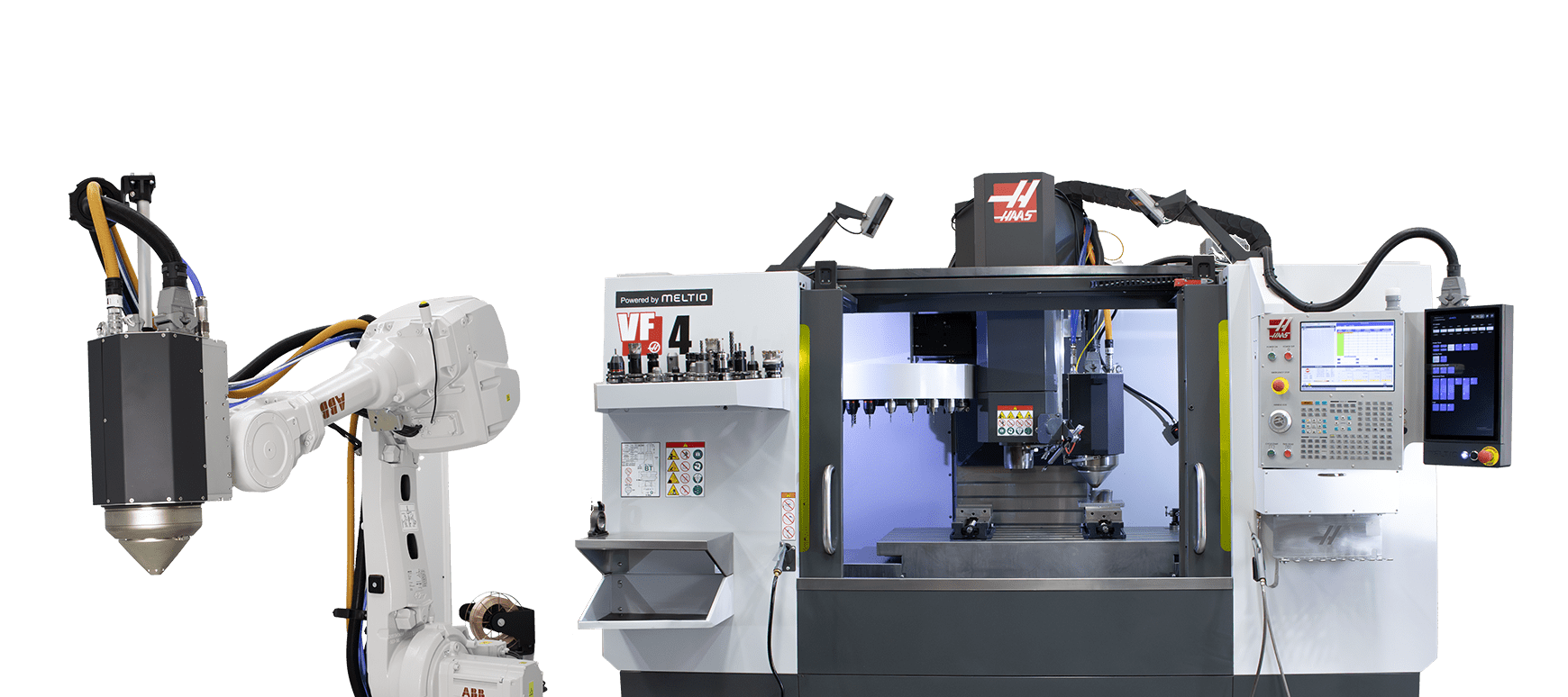
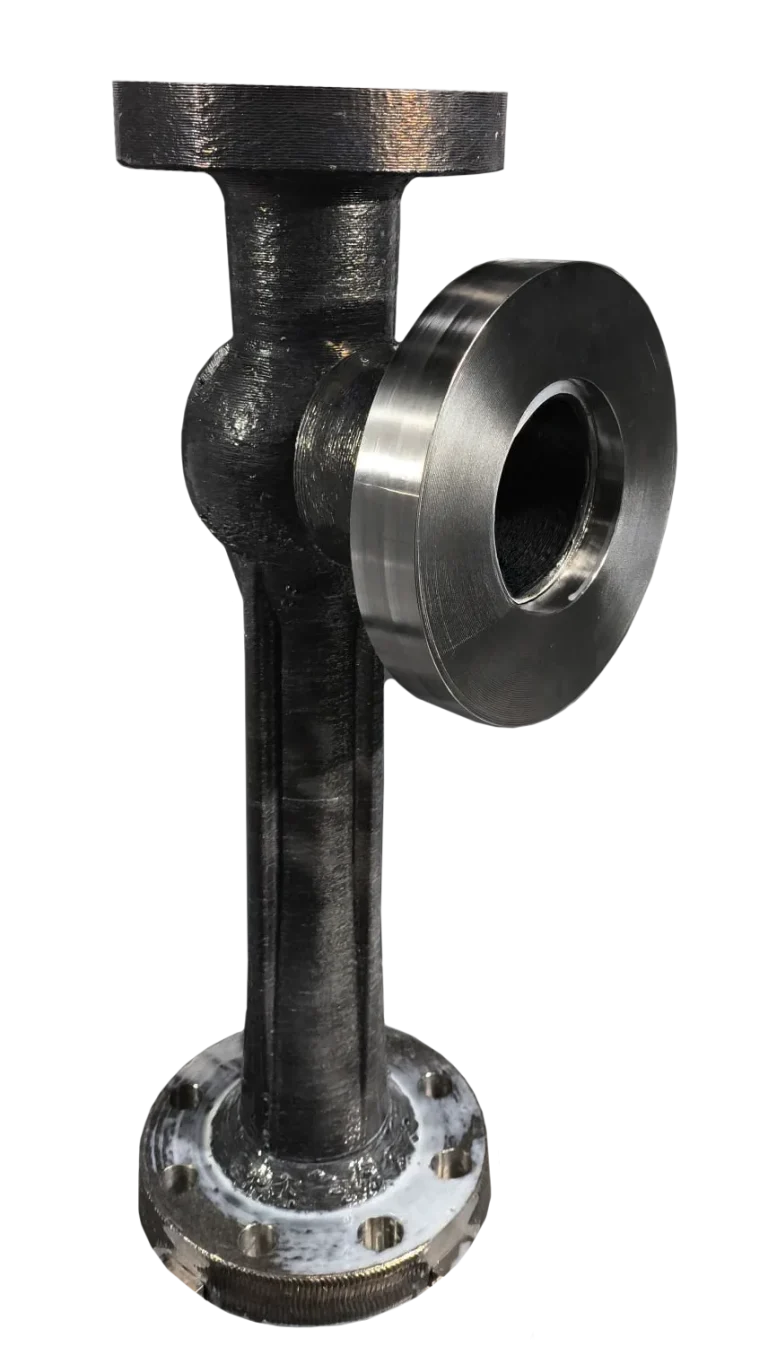
Using its DED system, Meltio successfully printed an eductor using 316L stainless steel, replacing the need for casting. The part was printed in four distinct modules to ensure both printability and post-processing compatibility:
Printed with planar layers and tangent perimeters. The robot’s motion was optimized to avoid collisions, using a 35° cone limitation.
Radial strategy with linear infill.
Requires a drilled side duct.
Built with non-planar strategy to minimize supports and improve surface finish
Printed on Meltio M600, later welded to the main assembly. This could evolve into a threaded fixture to simplify final assembly.
Two design iterations were produced:
Unlock the potential of metal 3D printing with Meltio. Your journey starts here.
lt is the perfect platform for large and complex 3D printing, repair, cladding and feature addition.
Wire feedstock proves more affordable and safer than powder-based alternatives.
With Meltio, digitally storing designs and manufacturing them on demand is a game-changer for defense readiness. Eductors, despite being niche components, become resilient to supply chain disruptions.
No molds. No waiting. Just functional parts, printed anywhere — from a naval base to a mobile AM unit.