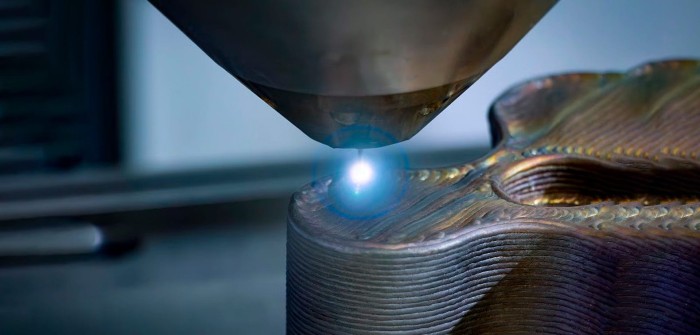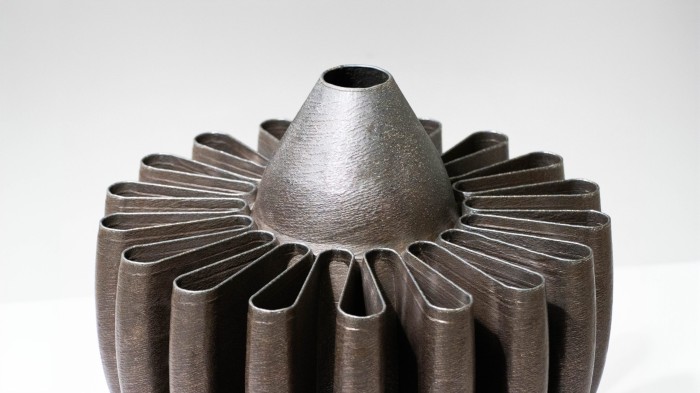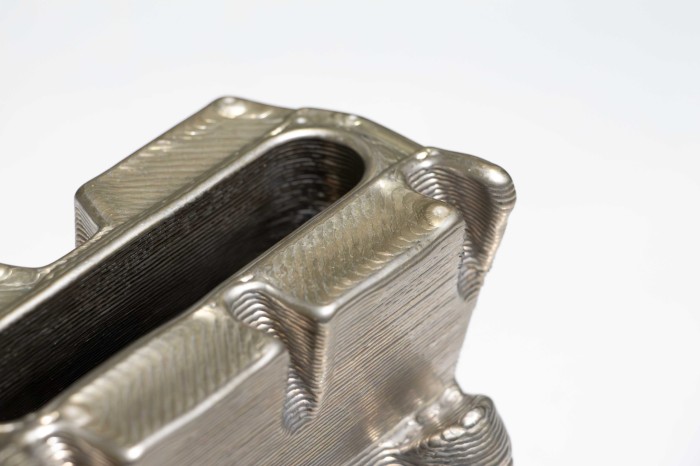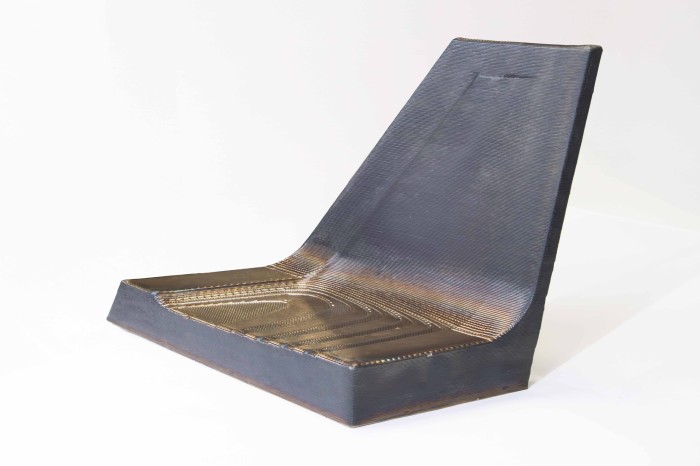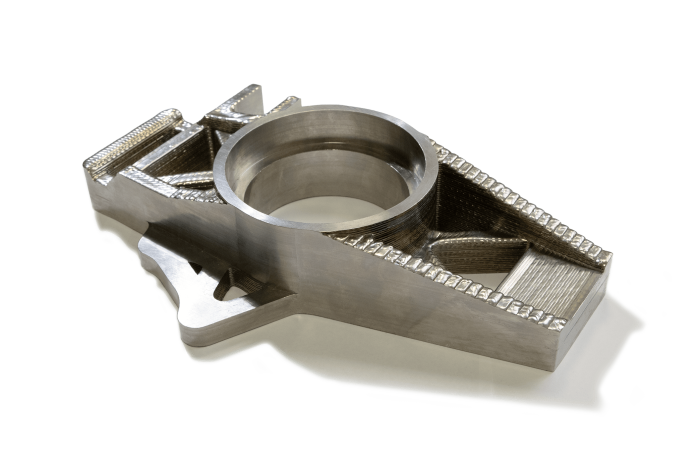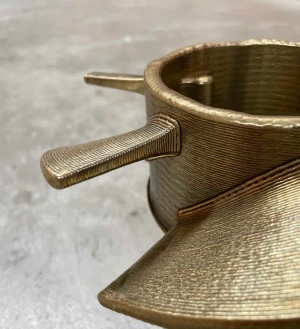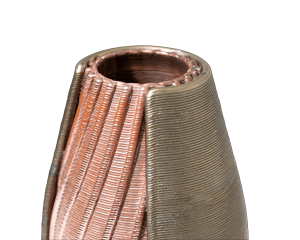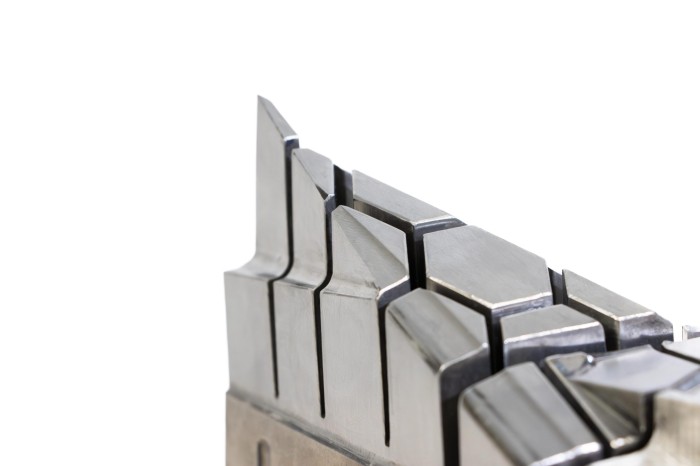
Choosing the right material is the difference between a prototype and a functional industrial part. In Metal 3D Printing—specifically Laser Metal Deposition (LMD)—the feedstock dictates your cost, safety, and part quality.
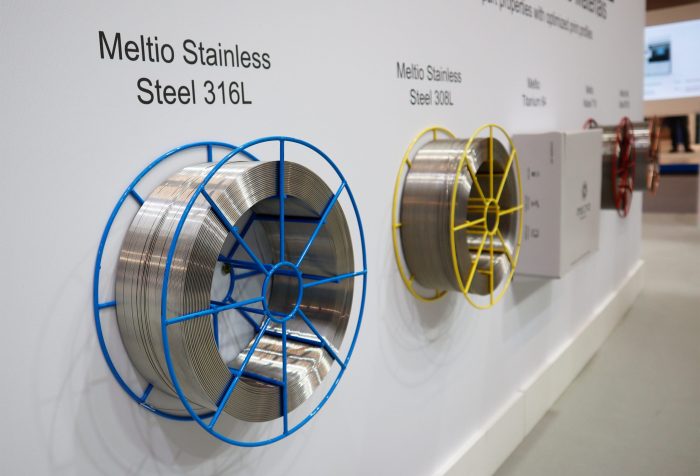
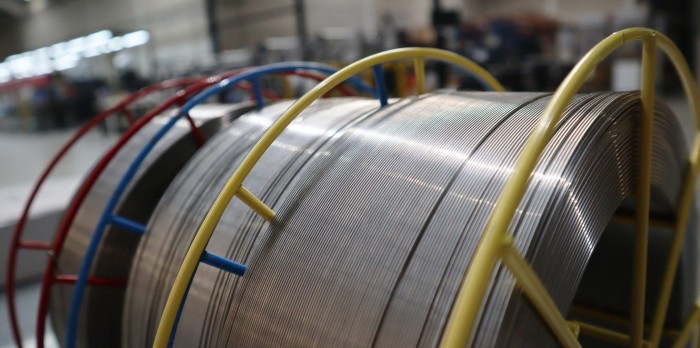
At Meltio, we utilize welding wire as our feedstock. This isn’t just a design choice; it’s a strategic advantage. It makes metal 3D printing cleaner, safer, and up to 10x cheaper than powder-based systems.
This guide covers everything you need to know about the Meltio material ecosystem, from our open platform philosophy to our rigorous parameter validation process.
1. The wire advantage: Why feedstock matters
Before analyzing specific alloys, it is crucial to understand why wire (LMD-W) is superior to powder (L-PBF) for industrial environments:
Cost Efficiency: Welding wire is a commodity. You can buy it off the shelf anywhere in the world for a fraction of the cost of atomized proprietary powders.
Safety: No reactive powders, no respirators, and no risk of explosion. Wire is clean.
100% Material Utilization: In powder bed fusion, un-sintered powder degrades. With Meltio, 100% of the wire that enters the melt pool becomes part of the component.
TIP: Check a deeper comparison between wire and powder HERE
2. One step further: Alloys
To further improve these properties, it is usual to combine different metals in various proportions, forming what are known as ‘alloys’. Alloys are the mixing of a parent metal with other elements to improve physical and mechanical properties, which provides significant improvements compared to a pure metal.
By varying the composition of alloys, a wide variety of properties can be obtained, allowing the creation of applications, each suitable to meet the needs of a variety of industries.
As an open platform, Meltio supports the use of third-party materials and our disruptive process is compatible with a wide range of materials, from stainless and mild steels to titanium alloys, nickel, invar, cobalt-chromium and precious metals such as gold.
However, at Meltio we strive to allow our customers to make use of our own range of materials, which are subject to constant testing and development. The reason for this is that at Meltio we want to provide the best user experience in 3D printing with Meltio technology, which involves continually improving the properties of existing materials, as well as introducing new materials that have been meticulously tested and configured, with printing profiles optimised by our experts.
Take titanium as an example, a material widely used in manufacturing and has specific attractive properties in many fields of application, including fields such as medicine due to its high corrosion resistance, excellent mechanical properties, biocompatibility and osseointegration. Aware of the characteristics of titanium, Meltio developed and validated Meltio Titanium 64, intending to obtain optimised impression parameters that would guarantee the best mechanical properties.
We have obtained excellent results in customer projects with these materials, including the work carried out by the AIDIMME technology research centre with the Titanium 64 supplied by Meltio, currently in the process of validation for use in biomedical implants.
3. Meltio’s AM way: Directed Energy Deposition
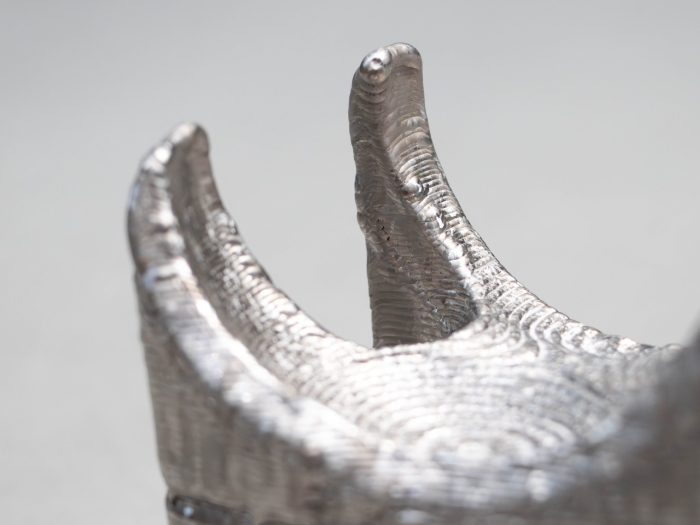
In the field of additive manufacturing, there are several types of existing processes, additive manufacturing processes based on fusion techniques predominantly center around powder-bed systems employing lasers as their primary heat sources. Among these processes, we find the Meltio process, which consists of Direct Energy Deposition by metallic laser wire.
The materials used are alloys of various metals, which in the case of Meltio, depending on the printing system, allows the creation of parts with one or up to four different materials.
Some advantages are:
Freedom of design
Fully customised parts can be manufactured according to the customer's needs.
Material optimization
Improve the mechanical capabilities and optimise the material of parts.
Reduced total production costs
Less production steps, which means saving energy and material waste.
TIP: To know more, read the The benefits of a Wire-based 3D Printing Process
4. Meltio’s range of materials
Our platform is Open. While we offer Meltio-branded wire with guaranteed parameters, you are free to use third-party commodity wires.
Meltio has developed a series of materials with the best properties and characteristics so that the part to be printed has an excellent end result. The materials that Meltio has developed are subject to continuous improvement in order to perfect existing printing processes. Likewise, we are always working to introduce new materials validated by Meltio.
Stainless Steel
Excellent for corrosion resistance and general manufacturing.
Stainless Steel 316L: It is characterised by its corrosion resistance and low cost. It is easily printable, highly corrosion-resistant, general-purpose stainless steel grade with decent mechanical properties. Found in a large variety of different industries, from machinery to food processing. Abundant global availability. For instance, it could be applied to hatching components or food mixers.
Stainless Steel 308: It is characterised by its corrosion resistance and low cost. It’s a popular stainless steel with similar mechanical properties as 316L but less corrosion resistance in saline environments. Also used for repair and feature addition on 304 Stainless steel. There’s abundant global availability. For instance, it could be applied to exhaust headers.
Stainless Steel 17-4PH: It is characterised by its corrosion resistance and high mechanical properties. It has a martensitic precipitation-hardened stainless steel capable of achieving high hardness and strength while offering excellent corrosion resistance. It is widely employed in the oil & gas, aerospace, energy, and defense industries. As a high-performance alloy with good global availability, 17-4PH requires a high heat input when printing leading to slower print times than other stainless steels. For instance, it could be applied to stressed mechanical parts, firearms… but typical applications include pump impellers, pipes, and valves.
TIP: To know more, read the Stainless Steel Guide.
Nickel Alloys
For extreme environments where failure is not an option.
Inconel 718 – Ni718: It is characterised by its corrosion resistance and high mechanical properties. Nickel 718 is a high-strength, corrosion-resistant nickel-chromium material used at -252°C to 705°C. Poor thermal conductivity, high toughness and strong work hardening tendency adversely affect it machinability, creating a very good business case for additive manufacturing. It has good global availability and excellent printability. For instance, it could be applied to Gas turbine components, high-performance exhaust components and rocket chambers.
Inconel 625 – Ni625: It is characterised by its corrosion resistance and high mechanical properties. A Ni-based superalloy with excellent mechanical properties at a wide range of temperatures. Among superalloys, Ni625 excels for its weldability, making it an ideal choice for cladding or repair of components working at high temperatures or requiring increased corrosion protection. It has good global availability and excellent printability. For instance, it could be applied to valve components and aerospace exhausts.
TIP: To know more, read the Nickel Guide.
Invar
Ideal for precision measuring tools and cryogenic molds.
Invar: It is characterised by a low thermal coefficient of expansion and corrosion resistance. Nickel-Iron alloy has an extremely low thermal expansion, so it is commonly used for composite molds, cryogenics and high-precision instrumentation. It has good material availability. For instance, it could be applied to semiconductor housings and composite molds.
TIP: To know more, read the Invar Guide.
Titanium Alloy
Used extensively in aerospace frames and medical implants.
Titanium Grade 5 – Ti64: It is characterised by its corrosion resistance and high mechanical properties. It has high strength, corrosion, fracture and fatigue resistance combined with low weight and biocompatibility making this the most widely used titanium alloy. The material can be printed well using Meltio systems and the supply is good. The main point of note is oxidation during processing which can be reviewed in the Meltio material datasheet. For instance, it could be applied to high-value components in aerospace, jewelry and sports equipment.
TIP: To know more about Titanium, read the Titanium Guide
Mild Steel
Mild Steel ER70S-6: It is characterised by being cheap and easy to machine. It presents low-cost, easily welded and machined general-purpose steel found in a variety of industries from Fabrication to automotive. More difficult to print than Stainless, due to its low alloy contents requiring longer build times due to poor absorption. There is abundant global availability. For instance, it could be applied to brackets and the replacement of sheet metal fabrication.
TIP: To know more about Titanium, read the Mild Steel Guide
Tool Steel
Tool Steel H11: It is characterised by high wear properties and high mechanical properties. It has an air-hardening chromium-based high-strength steel alloy. One of the most commonly used tool steels thanks to its outstanding impact toughness. H11 is widely used for hot tooling applications, in the manufacturing of dies and aerospace applications when tempered to a lower hardness thanks to its high strength. As printed parts are in the hardened state and require heat treatment and tempering to the required hardness. Also used in cladding / Hardfacing applications. For instance, it could be applied to hot work tooling, molding and extrusion.
TIP: To know more about Titanium, read the Tool Steel Guide
5. Compatible Materials
The materials compatible with Meltio technology are listed below and divided into their corresponding families of materials.
| Martensitic Stainless Steel | Stainless Steel 410 | Stainless Steel 420 | |
| Austenitic Stainless Steel | Stainless Steel 307 | Stainless Steel 309 | |
| Stainless Steel Family | Nitronic 50 | ||
| Austenitic Ferritic SS | Super Duplex | ||
| Tool Steel | Tool Steel H12 | Tool Steel H13 | Tool Steel P20 |
| Low Allowed Carbon Steel | AISI 4130 | AISI 8260 | |
| Titanium Alloy | Ti Gr.5553 | Ti Gr.23 | |
| Cobalt Alloy | Haynes 25 | ||
| Nickel Alloy | Nitinol | Hastelloy X | Monel K500 |
| Cobalt Alloy | Stellite 6 | Haynes 25 | MP35N |
| Specialty | Tungsten Carbide | ||
| Bronze | Marine Bronze | Silicone Bronze | Bearing Bronze |
| White Metal | Babbit – NB90 | ||
| Refractory Metal | Nb | ||
| Copper-alloy | CuCrZr | ||
| Aluminum alloy | AL-6063 | AL-5158 | Scalmalloy |
| Noble Metal | White Gold | Pure Gold |
6. How we guarantee reliability: The validation process
The alloys that Meltio obtains are the result of different stages that involve exhaustive controls to guarantee the quality of the materials. The first objective in the process of developing a material is to obtain a good density, which subsequently leads to good mechanical properties.
A summary of this process of searching for the best properties for our materials, it is developed as follows:
- Phase 0: The Bead test. We analyze single weld beads at various energy densities. We look for continuity, lack of spatter, and proper adhesion.
- Phase 1: Density & Defect analysis. Consists of making 5 to 10 prismatic specimens using the parameters identified in phase 0. These specimens are subjected to further analysis, focusing mainly on density, metallography and chemical analysis to detect any undesirable compounds.
- Phase 2: Mechanical characterization. It involves machining a series of prismatic specimens to extract cylindrical tensile specimens. This phase may include up to 3 candidates from the previous phase, considering heat treatments if necessary.
- The final phase, Phase 3: Dynamic properties. Mainly selects an energy density for an in-depth study of the properties of the alloy. Various tests such as fatigue, impact and machinability evaluations are proposed.
Once all the phases have been completed, Meltio ensures that the parameters of the selected material are suitable for the entire service life of the manufactured part.
7. Conclusion
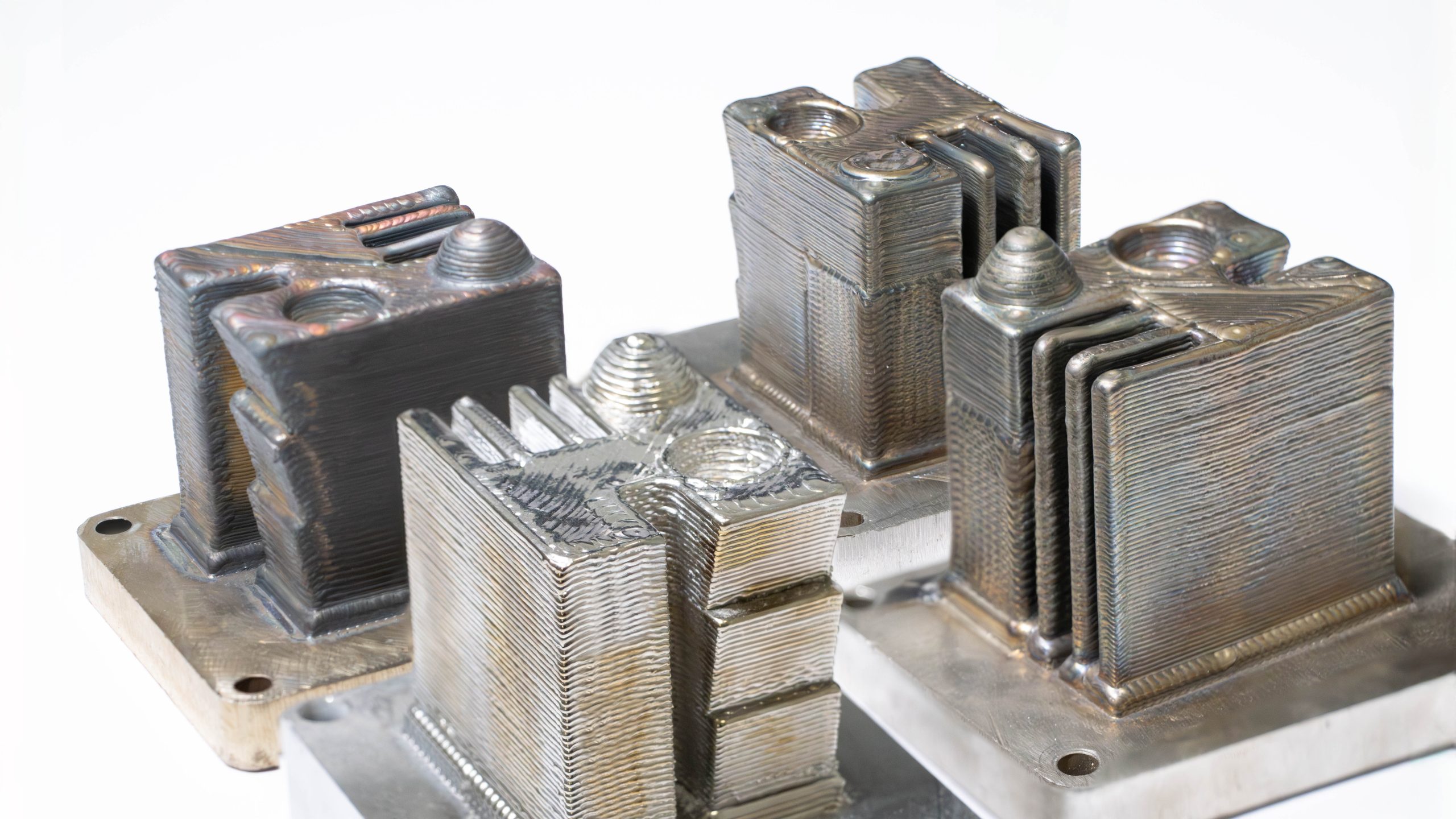
In conclusion, Meltio offers a wide range of materials to get the most out of Meltio technology, guaranteeing very good part properties with optimized print profiles.
Our commitment to innovation and material exploration continues to unlock new possibilities and expand the capabilities of Meltio’s technology, providing customers with diverse material options and parameterization for their additive manufacturing needs.
TIP: Ready to start printing? Visit the Meltio Materials page!
Frequently Asked Questions (FAQ)
Yes. Meltio is an open platform. You can use any commercially available welding wire (0.8mm - 1.2mm), though we recommend Meltio materials for the easiest "plug-and-play" experience.
Pure copper is highly reflective to lasers. We typically print Copper Alloys (like CuCrZr) which offer excellent conductivity with better printability, though pure copper parameters are in development.
Parts are printed "near net shape." CNC machining is required for critical tolerances, but the wire surface finish is generally smooth.